
 Protidin desk

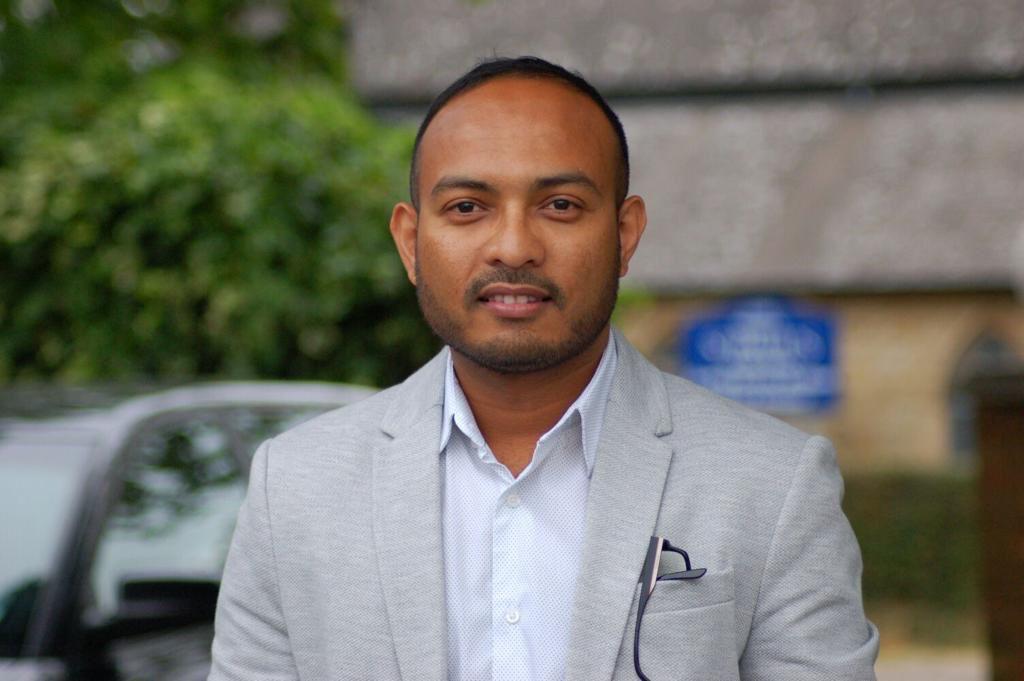
Abdus Samad, Ambassador of CAP Foundation, recently visited the organisation’s Orphan Village project in Sylhet, marking an important milestone in the ongoing development of this vital humanitarian initiative.
During the visit, Mr Samad was given a comprehensive briefing on the progress achieved to date by Homayun Noor, Chief Executive Officer of CAP Foundation, along with members of the project team. He expressed his deep appreciation for the dedication, professionalism, and tireless efforts of everyone involved in turning the vision of the Orphan Village into a reality. The visit highlighted the project’s core mission to create a safe, nurturing, and dignified living environment for orphaned and vulnerable children.
The Orphan Village has been carefully designed to offer not only accommodation, but also access to education, healthcare, emotional support, and community-focused care. Under the leadership of CEO Homayun Noor, the foundation continues to prioritise a holistic and sustainable approach to child welfare, ensuring that children are given the opportunity to grow, thrive, and reach their full potential in a stable and supportive setting.
Construction work on the Orphan Village is progressing steadily, with completion targeted for May 2026. Following the completion of construction and final preparations, CAP Foundation aims to welcome orphaned children into the village by November 2026, ensuring that all facilities, safeguarding measures, and support systems are fully operational and meet the highest standards of care.
Speaking during the visit, Abdus Samad reaffirmed his strong commitment to supporting CAP Foundation’s humanitarian mission. He praised the leadership of CEO Homayun Noor and described the Orphan Village as a transformative and inspiring project that reflects the organisation’s long-term dedication to social responsibility and child welfare. He also encouraged continued community support and partnership, emphasising that collective effort is key to securing a brighter and more hopeful future for vulnerable children in the region.